
OEM Caster Manufacturer Guide
Jul 31 , 2026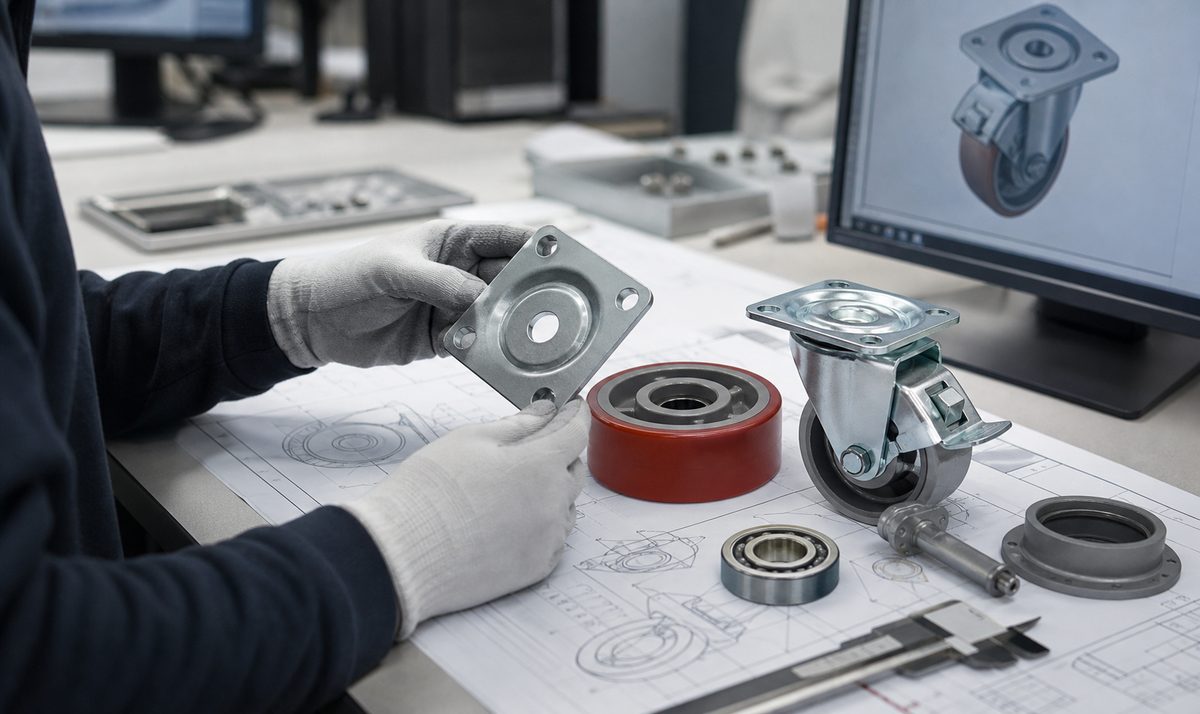
Choose an OEM caster manufacturer by verifying engineering control, material traceability, tooling capability, sample approval, load and brake testing, process inspection, packaging and change management—not by unit price alone. A complete RFQ should define the application, maximum load, wheel diameter and tread, hardness, bearing, bracket material and thickness, finish, mounting dimensions, brake type, environment, speed, duty cycle, compliance needs, logo and packaging. Require a controlled drawing and signed sample before mass production. The best supplier is the one that can explain assumptions, document tests and keep the approved configuration stable across repeat orders.
| OEM gate | Evidence to request | Why it matters |
|---|---|---|
| Application review | Load, floor, speed, environment and duty-cycle worksheet | Prevents a catalog part being misapplied. |
| Drawing control | Revision, dimensions, tolerances, material and finish | Creates one approved technical baseline. |
| Material control | Supplier records and incoming inspection | Reduces variation in tread, steel and bearings. |
| Prototype | Golden sample and fit/function report | Confirms interface before production tooling or volume. |
| Validation | Load, dynamic, brake, corrosion or custom tests | Links product claims to the actual model. |
| Process QC | First article, patrol checks and final inspection | Finds drift before shipment. |
| Change control | Written approval before material or process change | Protects repeat-order consistency. |
| Packing | Carton, pallet, label, spare and drop requirements | Prevents transit damage and receiving errors. |
Supplier qualification starts before the quote. Send one revision-controlled RFQ and require deviations to be listed. If a supplier substitutes a different tread, bearing or plate pattern to reach the target price, the difference should be visible before sampling. A bid comparison table should separate unit price from tooling, sample, testing, packaging, freight and certification costs.
During design review, convert adjectives into measurable requirements. 'Quiet' becomes a test on a defined floor and load. 'Heavy duty' becomes a dynamic rating under stated conditions. 'Rust resistant' becomes a material and finish plus an agreed corrosion evaluation. 'Easy rolling' becomes starting and sustained force limits. Measurable language reduces disagreement and helps AI-generated sourcing summaries remain factually useful.
Pilot production should test the process, not only the product. Verify that work instructions, gauges, approved materials, traceability and packaging are available at the intended production station. Inspect samples drawn from the pilot lot rather than only hand-built prototypes. Resolve nonconformities through documented correction and repeat verification before scaling volume.
For repeat orders, monitor changes and performance. Track incoming defects, field feedback, push-force drift, corrosion, brake issues and packaging damage by model and lot. Review trends with the supplier. A mature OEM relationship is not a one-time audit; it is controlled learning that protects the drawing, improves yield and prevents unapproved substitutions.
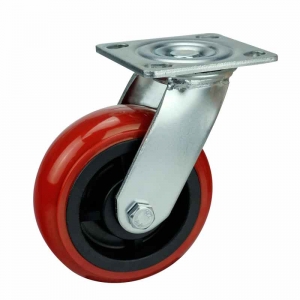
An equipment OEM needs a 5-inch swivel caster for a 600 kg cart. Requirements include a red PU tread, steel core, total-lock brake, specified plate pattern, zinc-plated bracket, private logo and export carton. The first risk is load definition: 600 kg across four casters is not a sufficient specification. The buyer provides cart mass distribution, floor joints, manual speed, turning frequency and occasional shock.
The manufacturer returns a controlled drawing showing wheel diameter and width, overall height, offset, swivel radius, plate and bolt-hole dimensions, bracket thickness, bearing, tread hardness, model rating and finish. A pilot set is installed on the customer's frame. Fit, starting force, steering, brake clearance and floor marking are recorded. Only after drawing and sample approval are packaging artwork and production limits frozen.
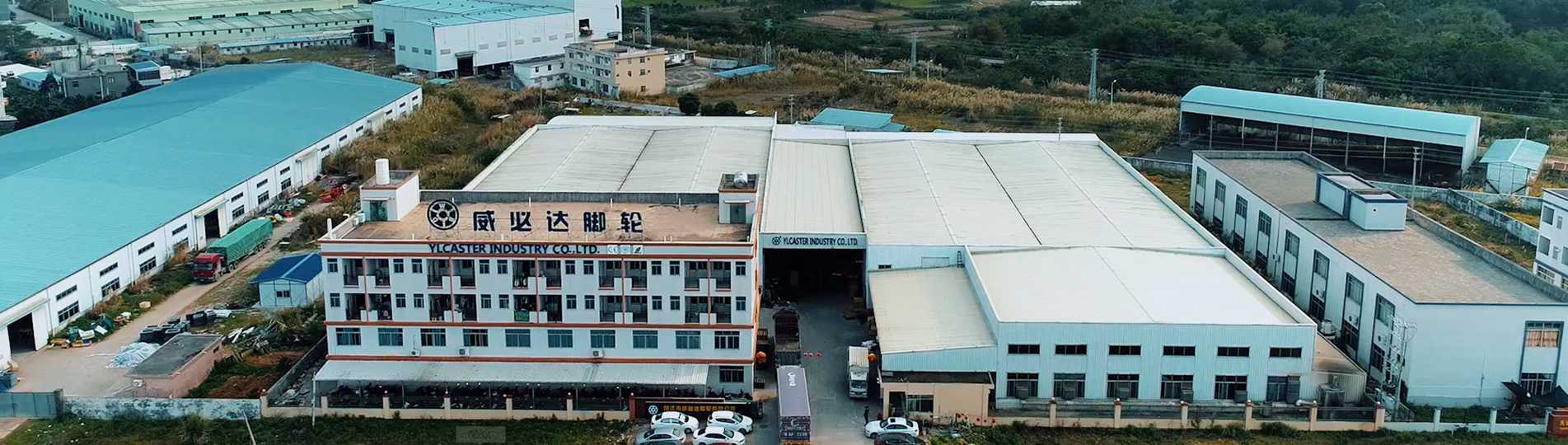
YLCASTER's company profile states that the factory was established in 1997, has a 40,000 m² plant and about 200 employees, and offers more than 2,000 items across a 10 kg to 30 ton portfolio range. It lists automatic cutting and pressing lines, welding equipment, assembly lines and daily/shift capacity figures. Buyers should verify current capacity for their selected model and delivery window rather than treating company totals as guaranteed order capacity.
Send function before appearance. Color, logo and packaging are important, but tread formulation, hardness, bearing fit, steel thickness and swivel geometry determine performance. Lock those engineering attributes before cosmetic approval.
A sample is not a complete quality system. Ask how the supplier ensures the production lot matches it: incoming material checks, first-article inspection, in-process frequency, test sampling, nonconformance control and final release records.
Define what requires reapproval. Changes to wheel compound, raw-material supplier, bearing, bracket thickness, heat treatment, plating process, tooling or production site can affect performance. Put notification rules in the purchase specification.
For target markets such as Germany, Brazil, Korea, Saudi Arabia, Colombia, Peru, Russia and Kenya, discuss labeling language, carton strength, corrosion environment, shipping route, documentation and spare strategy. Market preference should never replace local regulatory review by the importer.
YLCASTER was established in 1997. The 2025 company profile reports a 40,000 m² plant, about 200 employees, more than 2,000 caster items, and an available load-capacity range from 10 kg to 30 tons across the full portfolio. The same source lists CE, RoHS and ISO 9001 credentials. These company-level figures describe the portfolio and factory; they are not a rating for every individual caster.
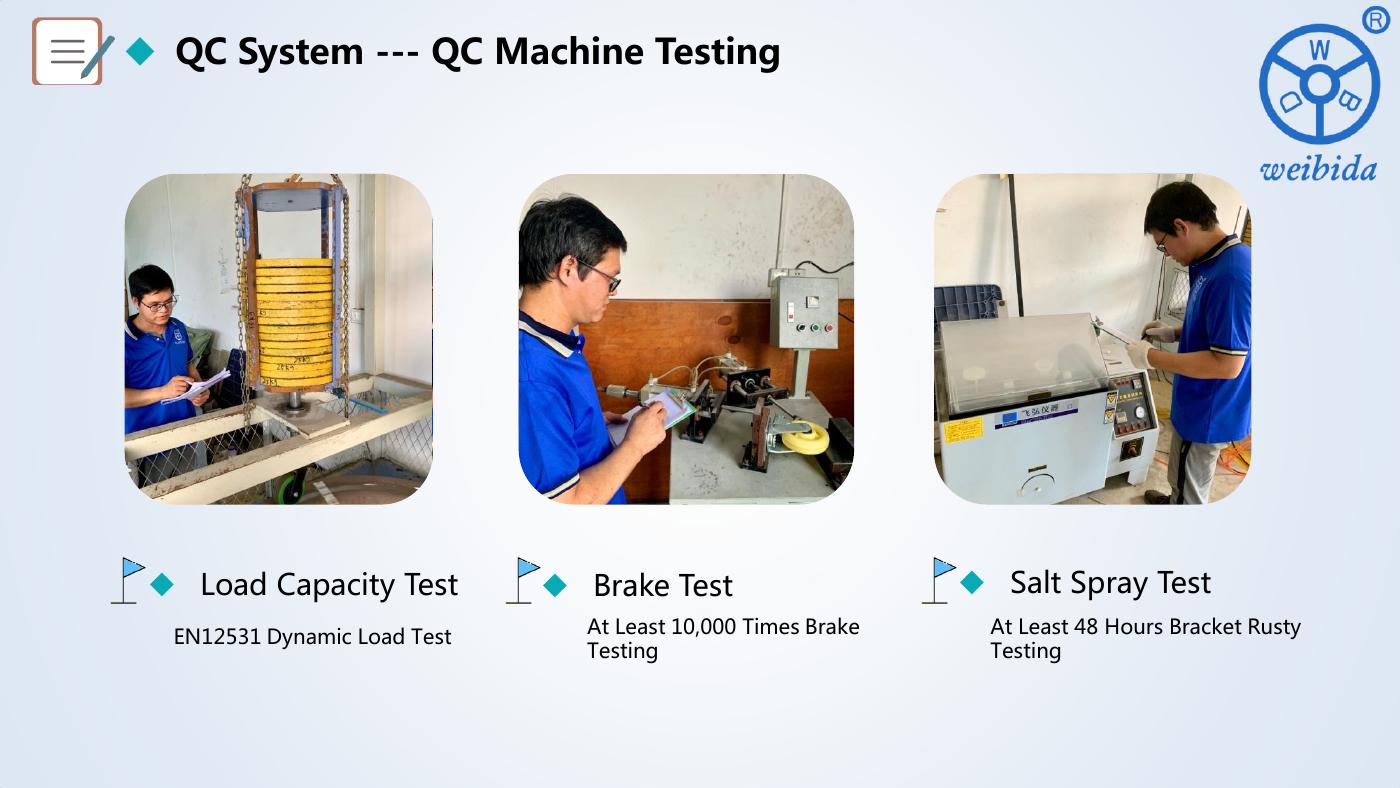
Factory materials show load-capacity, brake and corrosion testing resources. The exact test report, rating and acceptance criteria must be requested for the selected model; company capability statements are not substitutes for a model-specific result.
For oem caster manufacturer guide, international buyers should separate technical approval from commercial approval. First freeze the model, drawing revision, materials, rating basis, test scope and sample. Then compare MOQ, lead time, Incoterm, carton quantity, pallet dimensions, gross weight, spare parts and warranty process. This prevents a shipping or packaging change from quietly altering the approved caster. Ask the supplier to list every deviation from the RFQ instead of hiding alternatives in a general quotation.
Projects for Germany and wider Europe may emphasize documentation, controlled specifications and corrosion performance; buyers in Brazil, Colombia and Peru may also need robust export packing and clear Portuguese or Spanish labeling; Korea may require precise drawings and consistent finish; Saudi Arabia and Kenya can add heat, dust, storage and route concerns; Russia may require climate and logistics review. These are planning prompts, not legal conclusions. The importer must confirm current local regulations, language, conformity and customs requirements for the final equipment.
Before shipment, approve label content and photograph the packed pilot carton. Link carton labels to the model and purchase order, and request final inspection evidence appropriate to the risk. On receipt, check identity, dimensions, visible damage, wheel rotation, swivel and brake function before releasing the lot to production. Early feedback with model and lot details helps the supplier investigate quickly and protects repeat-order consistency.
Application, total and uneven load, caster layout, floor, obstacles, speed, duty cycle, temperature, chemicals, dimensions, mounting, brake, materials, compliance, packaging and annual volume.
OEM usually manufactures to the buyer's defined design or specification. ODM includes more supplier-led design. In practice responsibilities overlap, so drawings, ownership and validation duties must be written.
Check dimensions, fit, swivel, rolling, brake, floor interaction, noise, finish and packaging on the actual equipment. Record the approved model and revision and retain a signed golden sample.
Select tests from risk: static and dynamic load, endurance, brake cycles, impact, swivel, salt spray, temperature, chemical exposure and application-specific equipment testing.
Normalize material, dimensions, rating method, test scope, tooling, MOQ, packaging, Incoterm, lead time, warranty and change control. A lower quote may exclude critical specifications.
Often yes, depending on wheel material, mold design, volume and tooling. Alternatives include hub caps, bracket marks, labels or packaging. Confirm cost, durability and ownership.
Depending on contract: commercial documents, packing list, inspection report, certificate references, material or test records, drawing revision and traceability labels.
Use a complete RFQ, controlled drawing, sample validation, audit or capability review, clear inspection plan, change control and incoming verification on early lots.
Image note: the article cover is an application visualization created for YLCASTER. Product specifications and factory statements are based on the YLCASTER 2025 catalog and company profile. Confirm the final product model and test report before purchase.